Topics
What Time is it?
Time is one of the most valuable gifts we have because, unlike money or possessions, it cannot be replaced, recovered, or stored for later use. Every person receives the same twenty-four hours each day, but the way we choose to invest those hours determines the quality and direction of our lives. When we value time, we become intentional about how we spend it—investing it in relationships, learning, personal growth, meaningful work, and the pursuit of our purpose. Wasted time represents opportunities that may never return, while wisely invested time can produce knowledge, wealth, character, influence, and a lasting legacy. Time is not simply something we pass through; it is the currency with which we create our lives.
The Choice is yours
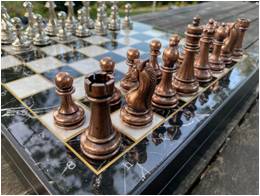
Choices are valuable because they shape the direction, quality, and outcome of our lives. Every choice represents an opportunity to move closer to or farther away from our goals, purpose, and potential. While we cannot always control our circumstances, we can control many of the decisions we make in response to them. Wise choices build character, create opportunities, strengthen relationships, and establish habits that can produce lasting success and prosperity. Poor choices can create consequences that affect not only the present but also the future. Therefore, the value of a choice is found not only in the decision itself but in the future it creates; when we learn to choose wisely, we gain the power to intentionally shape the life we desire and the legacy we leave behind.
Identity, who are you?
Our identity is connected to our character because character is the visible expression of who we believe we are and the values we choose to live by. Identity answers the question, “Who am I?”, while character demonstrates that identity through our thoughts, choices, attitudes, words, and actions. When we understand our identity and recognize our worth, purpose, and values, those beliefs begin to shape the way we conduct ourselves, especially when no one is watching. Strong character is developed when our actions consistently align with who we say we are. In this way, identity provides the foundation, while character provides the evidence; who we believe we are influences how we live, and how we live ultimately reveals who we have become.


Your Spiritual Retirement Plan
We should invest in our spiritual retirement because life is more than the accumulation of money, possessions, and accomplishments; it is also the preparation of our spirit for eternity. Just as we save and invest financially to provide security for our future, we should invest in our relationship with God through faith, prayer, obedience, wisdom, love, and service. Financial retirement prepares us for the later years of this earthly life, while spiritual investment prepares us for what lies beyond this life. The time, attention, and devotion we give to spiritual growth today can produce peace, purpose, wisdom, and a lasting relationship with God that cannot be measured by material wealth. A wise person prepares not only for the future they can see, but also for the eternity they cannot see.


Risk Management
Risk is an essential part of fulfilling our purpose because meaningful growth often requires us to step beyond what is familiar, comfortable, and predictable. Pursuing a God-given purpose may require us to make difficult decisions, leave behind limiting beliefs, face uncertainty, invest our time and resources, and act even when the outcome is not guaranteed. Risk does not mean acting recklessly; it means having the courage to move forward with wisdom, preparation, faith, and conviction despite uncertainty. Every great purpose carries a level of responsibility and sacrifice, and refusing to take any risk can keep us trapped in the very circumstances we were called to overcome. When we combine faith with wise action, calculated risk becomes a bridge between where we are and where our purpose is calling us to go.


One Life to live
We have one life to live, and because our time on earth is limited, every second is an opportunity that should be valued and used wisely. We cannot return to yesterday, reclaim a wasted moment, or purchase more time when our days are finished. Therefore, we should live intentionally by investing our time in the people we love, developing our gifts, pursuing our purpose, serving others, growing in wisdom, and creating something meaningful that will outlive us. Making every second count does not mean living in constant hurry; it means living with awareness that each moment is valuable and choosing to spend it on what truly matters. We are given only one life, so let us not merely count the days we have—let us make the days we have count.


Journey to One
As we journey toward the one God, we should be mindful of every step we take because our choices, attitudes, and actions shape the direction of our spiritual lives. The journey requires intentionality, humility, wisdom, and a willingness to examine whether our thoughts and behaviors are aligned with God’s truth and purpose. We may encounter distractions, trials, and paths that appear attractive but lead us away from our calling, so we must seek God’s guidance rather than relying solely on our own understanding. Each step should be taken with faith, prayer, obedience, and a heart willing to grow, recognizing that spiritual maturity is not achieved in one moment but developed through a lifetime of walking with God. When we are mindful of our steps, we become more conscious of the path we are choosing and more intentional about drawing closer to the One who gives our journey meaning and purpose.


Equilibrium the great Balance
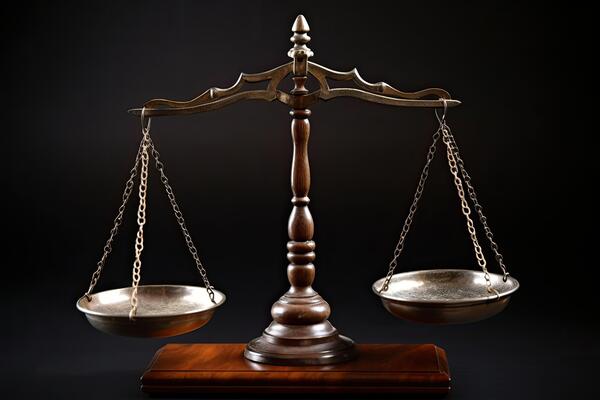
We should strive for balance among the mind, body, and spirit because each part of our lives influences the others and contributes to our overall well-being and ability to fulfill our purpose. A healthy mind allows us to think clearly, make wise decisions, and develop positive perspectives; a healthy body gives us the strength and energy to pursue our responsibilities and goals; and a healthy spirit provides faith, values, peace, and a deeper sense of meaning and direction. When one area is neglected, the others can be affected, creating an imbalance that may limit our potential. By nourishing our minds through learning, caring for our bodies through healthy habits and rest, and strengthening our spirits through prayer, reflection, and relationship with God, we create greater harmony within ourselves. When mind, body, and spirit work together in balance, we are better equipped to live with purpose, wisdom, strength, and peace.
All for One and One for All
We should live by the principle of “all for one and one for all” because our lives are interconnected, and we are stronger when we support, encourage, and uplift one another. Helping others means recognizing that everyone faces challenges, and the strength, knowledge, resources, or encouragement we possess may be exactly what someone else needs to move forward. When we work together, we create a culture of compassion, unity, responsibility, and shared success rather than focusing only on ourselves. At the same time, each individual has a responsibility to contribute, because a strong community is built when everyone is willing to give as well as receive. When we help one another rise, we create an environment where one person’s success can become a blessing to many, proving that together we can accomplish far more than we can accomplish alone.


The Passport
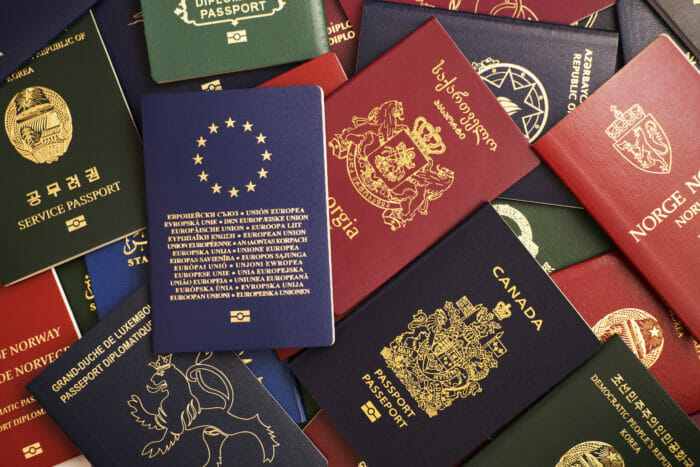
In our physical bodies, we are citizens of the world, connected to nations, cultures, communities, and the responsibilities of earthly life; but in our spirit, we recognize that our identity reaches beyond the boundaries of geography and nationality. The physical world may define where we live, but our spiritual identity speaks to where we ultimately belong. Through faith, our relationship with God gives us a spiritual citizenship that cannot be limited by borders, possessions, or earthly status. Like a passport grants access across physical borders, faith can be understood as the spiritual passport that reminds us that our true home and ultimate hope extend beyond this temporary world. We may walk on the earth as citizens of the world, but in spirit, we carry an identity that connects us to a kingdom beyond what the natural eye can see.
Means to an End
This world can be understood as a means to an end because our earthly life is not merely about what we acquire, accomplish, or experience, but about how we use our time here to develop our character, fulfill our purpose, serve others, and prepare for what comes beyond this life. Our possessions, positions, successes, challenges, and relationships are temporary opportunities through which we learn, grow, love, give, and make a meaningful impact. When we recognize that this life is a journey rather than the final destination, we become less consumed by material things and more intentional about the values and legacy we are building. The world is the classroom, life is the journey, and our choices determine what we carry forward from the experience.


The Equation
The simple principle of positive and negative can be a powerful way to understand how our thoughts, choices, habits, and relationships influence the direction of our lives. Just as positive and negative values affect the outcome of a mathematical equation, positive influences can strengthen our lives while negative influences can diminish, distract, or pull us away from our goals. When we intentionally add positive thoughts, healthy habits, constructive relationships, faith, knowledge, and purposeful actions while subtracting negativity, destructive habits, fear, and limiting beliefs, we create better conditions for growth and success. This does not mean ignoring life’s challenges; it means learning how to respond to them in ways that produce constructive outcomes. When we learn what to add, what to subtract, what to multiply, and what to divide in our lives, we can create an equation that moves us closer to purpose, prosperity, and fulfillment.